How Does Hemp Create a Sustainable Summer Fabric? Find Out More

Summer fashion demands lightweight, breathable, and eco-friendly fabrics. As sustainability becomes a priority for fashion brands and textile buyers, hemp has emerged as one of the most promising natural fibers. But how exactly does hemp create a sustainable summer fabric, and why are leading hemp fabric seeing increased global demand?
In this blog, we explore how hemp supports sustainable fashion, current industry trends, practical sourcing guidance, and why hemp is a smart choice for B2B textile buyers, fashion designers, and apparel brands seeking long-term value.
Why Hemp Is Gaining Attention in Sustainable Fashion
The fashion industry faces increasing pressure to reduce its environmental impact. According to the United Nations Environment Programme (UNEP), the textile industry contributes significantly to global carbon emissions and water consumption. As brands look for better alternatives to conventional cotton and synthetic fabrics, hemp offers a reliable solution.
What Makes Hemp Different?
Hemp is a fast-growing plant that requires:
Minimal water compared to cotton
No synthetic pesticides in most conditions
Short cultivation cycles
Natural soil regeneration properties
These characteristics make hemp one of the most sustainable raw materials available for textiles.
How Hemp Creates a Sustainable Summer Fabric
1. Natural Breathability and Comfort
Hemp fibers are hollow, allowing better airflow. This structure makes hemp fabrics:
Highly breathable
Moisture-wicking
Naturally cooling
For summer collections, these properties enhance comfort without relying on synthetic performance materials.
2. Durability with Softness
Modern processing techniques have transformed hemp into a softer, more refined fabric while retaining its strength. Compared to many natural fibers, hemp lasts longer, reducing product replacement cycles.
Wholesale hemp fabric buyers often choose hemp because it balances durability and comfort—two qualities that improve customer satisfaction.
3. Low Environmental Footprint
Hemp cultivation improves soil health and absorbs large amounts of carbon dioxide during growth. According to research published by organizations such as the European Industrial Hemp Association (EIHA), hemp can contribute positively to regenerative agriculture.
By working with reliable hemp fabric suppliers, brands can lower their environmental footprint across the supply chain.
The Role of Hemp Fabric Suppliers in Sustainable Sourcing
Choosing the right hemp fabric plays a critical role in ensuring authenticity and quality.
What to Look for in Hemp Suppliers
Transparency in sourcing
Certification for organic or sustainable practices
Traceable production processes
Consistent fabric quality
Bulk supply capabilities
Professional hemp clothing wholesale suppliers provide detailed information about fiber origin, processing standards, and fabric composition.
Working with established suppliers ensures that wholesale hemp fabric meets global compliance standards and brand sustainability goals.
Industry Trends Driving Hemp Fabric Demand
1. Rise of Conscious Consumers
Modern consumers expect brands to demonstrate ethical sourcing and sustainability. Reports from McKinsey & Company show that sustainability influences purchasing decisions for a growing percentage of global shoppers.
Hemp aligns with this shift by offering a plant-based, low-impact material option.
2. Growth in Hemp Clothing Wholesale Markets
As more brands launch sustainable collections, demand for hemp clothing wholesale continues to expand. Designers seek bulk hemp fabric options to scale production efficiently.
Bulk sourcing helps brands:
Maintain cost efficiency
Ensure consistent supply
Reduce procurement delays
3. Innovation in Blended Fabrics
Many hemp wholesale fabric products now blend hemp with organic cotton, linen, or recycled fibers. These blends enhance texture while preserving sustainability benefits.
Blended fabrics also provide flexibility for designers who want both softness and structural integrity.
Practical Guidance for Fashion Brands and B2B Buyers
If you are exploring hemp clothing wholesale for your brand, consider the following steps:
Step 1: Define Fabric Requirements
Clarify your project needs:
Weight (GSM)
Weave type
Texture
Blend composition
Summer garments typically require lighter GSM fabrics with breathable weaves.
Step 2: Request Samples
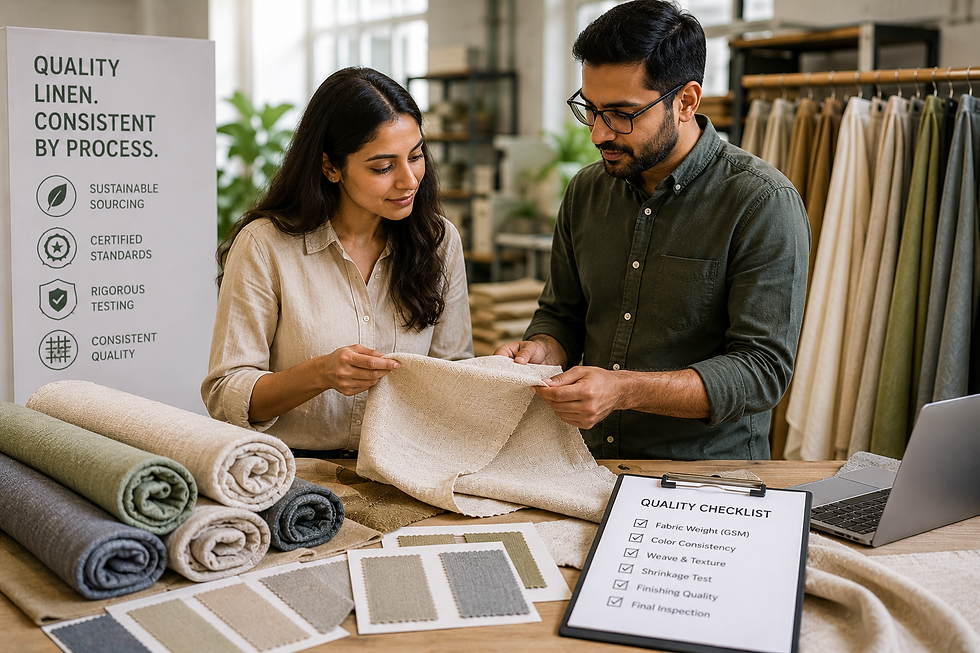
Always request samples from hemp fabric before placing bulk orders. Evaluate:
Texture
Shrinkage behavior
Dye compatibility
Wash performance
Testing ensures quality alignment with your design standards.
Step 3: Assess Bulk Capability
Reliable wholesale hemp fabric providers should support bulk hemp fabric orders without compromising consistency.
Ask about:
Minimum order quantities
Lead times
Production scalability
Step 4: Verify Certifications
Look for certifications such as:
GOTS (Global Organic Textile Standard)
OEKO-TEX
ISO compliance
These certifications enhance brand credibility and ensure compliance in global markets.
Benefits of Hemp Fabric for Fashion Designers and Retailers
1. Long-Term Cost Efficiency
While hemp may initially cost more than conventional fabrics, its durability reduces returns and product replacement cycles.
2. Strong Brand Positioning
Sustainable materials strengthen brand identity. Highlighting partnerships with trusted fabric suppliers builds consumer trust.
3. Seasonal Versatility
Although hemp performs exceptionally well in summer, it also adapts well to transitional garments when blended with other fibers.
4. Lower Environmental Impact
Using hemp wholesale fabric contributes to:
Reduced water consumption
Lower chemical usage
Soil regeneration
These benefits align with global sustainability frameworks and ESG commitments.
Addressing Common Concerns About Hemp Fabric
Is Hemp Too Rough for Summer Clothing?
Earlier hemp fabrics were coarse. Today, advanced processing techniques produce soft, smooth finishes suitable for dresses, shirts, and lightweight garments.
Does Hemp Wrinkle Easily?
Like linen, hemp can wrinkle, but blends help minimize this. Many designers appreciate its natural texture as part of a relaxed summer aesthetic.
Is Supply Reliable?
The global hemp market is expanding, and established hemp clothing wholesale suppliers now support large-scale orders.
Why Hemp Is a Future-Focused Fabric
The global shift toward circular fashion and responsible sourcing positions hemp as a long-term solution. Governments and environmental bodies encourage renewable fiber production to reduce environmental stress.
According to the World Resources Institute (WRI), sustainable agriculture plays a central role in climate mitigation strategies. Hemp cultivation supports these goals by requiring fewer inputs and improving soil conditions.
As sustainable fashion moves from niche to mainstream, hemp continues to gain credibility as a scalable solution.
Conclusion
Hemp creates a sustainable summer fabric by combining breathability, durability, and low environmental impact. For B2B textile buyers, fashion designers, and apparel brands, working with reliable hemp fabric suppliers ensures consistent quality and ethical sourcing.
As demand for hemp clothing wholesale and bulk hemp fabric grows, brands that adopt sustainable materials today position themselves for long-term success.
Source Creative understands the importance of responsible material sourcing and innovation in modern textile production. By exploring hemp wholesale fabric options with experienced partners like Source Creative, brands can create summer collections that are both stylish and sustainable.
Discover how sustainable hemp fabrics can elevate your next collection and connect with Source Creative to explore bulk options tailored to your design vision.
1. Why is hemp considered a sustainable fabric?
Hemp requires less water, fewer chemicals, and improves soil health compared to many conventional fibers.
2. Can hemp fabric be used for summer clothing?
Yes, hemp is breathable, moisture-wicking, and naturally cooling, making it ideal for summer garments.
3. How do I choose reliable hemp fabric suppliers?
Look for certified suppliers with transparent sourcing, bulk capabilities, and consistent fabric quality.
4. Is bulk hemp fabric suitable for large-scale production?
Yes, many hemp clothing wholesale suppliers provide scalable solutions for commercial production.
5. Are hemp fabrics soft enough for fashion apparel?
Modern processing techniques produce soft hemp fabrics suitable for premium clothing.


Comments