10 Mistakes Brands Make When Choosing Linen Fabric Suppliers
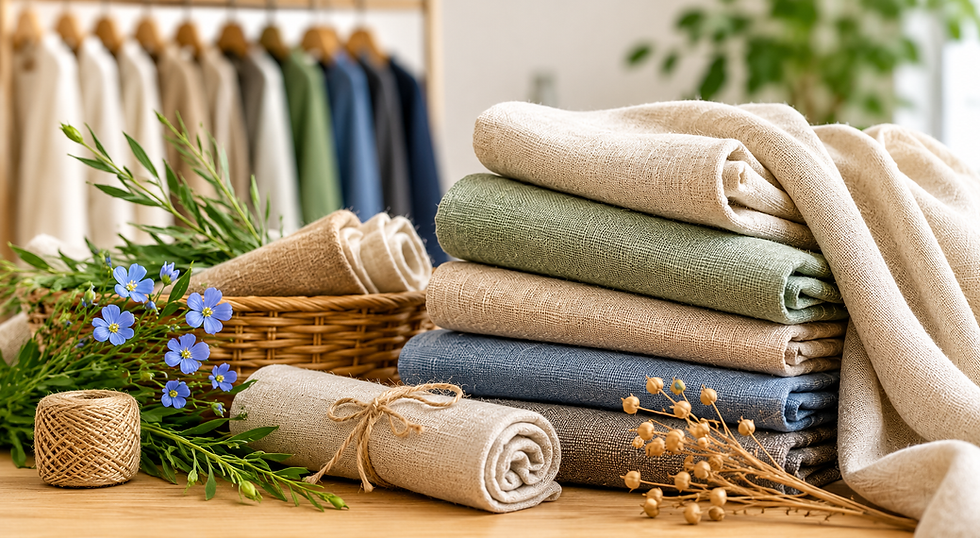
As sustainability continues to shape the fashion and textile industry, linen has emerged as one of the most sought-after natural fabrics. Known for its durability, breathability, and eco-friendly properties, linen is increasingly being used by fashion brands, home furnishing companies, and textile manufacturers worldwide.
However, sourcing quality linen requires more than simply finding a supplier with competitive pricing. Choosing the wrong linen fabric supplier can lead to inconsistent quality, delayed shipments, compliance issues, and increased production costs.
For B2B textile buyers, fashion designers, apparel manufacturers, and sourcing managers, selecting the right supplier is a critical business decision. This guide covers the ten most common mistakes brands make when choosing linen fabric suppliers and how to avoid them.
Why Choosing the Right Linen Fabric Supplier Matters
The quality of your final product depends heavily on the quality of the raw materials you source.
Reliable linen fabric suppliers help ensure:
Consistent fabric quality
Timely deliveries
Competitive pricing
Sustainable sourcing practices
Compliance with international standards
Long-term supply chain stability
The Alliance for European Flax-Linen & Hemp (formerly CELC), which represents the entire flax value chain from field to finished product, notes that the flax-linen industry has experienced significant growth over the past 15 years, driven by increasing consumer and brand preference for sustainable, natural fibers.
When brands purchase linen fabric without conducting proper supplier evaluations, they often face production delays, quality issues, and customer dissatisfaction.
Industry Trends Driving Linen Fabric Demand
The global textile market is experiencing significant changes, and linen is benefiting from several key trends.
Growing Demand for Sustainable Fabrics Consumers are increasingly seeking products made from natural fibers with verifiable environmental credentials.
Rise of Premium Fashion Segments Luxury and premium apparel brands are turning to linen for its natural texture and premium appeal.
Increased Transparency Requirements Brands now require suppliers to provide greater transparency regarding sourcing, certifications, and manufacturing processes.
These trends make careful supplier evaluation more important than ever when working with wholesale linen suppliers.
1. Focusing Only on Price
One of the most common mistakes brands make is selecting suppliers based solely on the lowest quote.
While cost matters, extremely low prices can indicate:
Inferior fiber quality
Poor weaving standards
Limited quality control
Unethical production practices
Evaluate overall value instead — including consistency, service, and reliability.
What to Do Instead
Request fabric samples and compare:
Fabric weight
Fiber quality
Color consistency
Durability
Finishing quality
2. Ignoring Supplier Certifications
Many buyers fail to verify whether suppliers comply with recognized industry standards.
Important certifications include:
OEKO-TEX® Standard 100
Global Organic Textile Standard (GOTS)
Masters of Linen® Certification (formerly European Flax®)
ISO Quality Management Certifications
For reference on what these certifications cover and how traceability is verified, the Alliance for European Flax-Linen & Hemp publishes detailed guidance for brands and manufacturers.
These certifications help demonstrate responsible manufacturing and quality assurance practices.
3. Not Requesting Fabric Samples
Buying in bulk without reviewing physical samples can result in costly mistakes. Even if product images look impressive online, actual fabric characteristics may differ.
Evaluate Samples For:
Texture
Weave quality
Shrinkage behavior
Color accuracy
Fabric strength
Always test samples before placing large orders.
4. Overlooking Production Capacity
A supplier may produce excellent linen fabric but lack the capacity to meet your growth requirements.
Before finalizing a partnership, ask:
What is the monthly production capacity?
Can they handle seasonal demand spikes?
What is the average lead time?
Reliable wholesale linen fabric suppliers should be able to scale production alongside your business growth.
5. Failing to Verify Supply Chain Transparency
Brands that cannot demonstrate where materials come from may face challenges in retail markets and international exports.
Ask suppliers about:
Fiber sourcing locations
Manufacturing facilities
Sustainability initiatives
Labor practices
Transparent suppliers tend to make stronger long-term partners.
6. Ignoring Communication and Responsiveness
Poor communication is often an early warning sign of future problems.
Common issues include:
Delayed responses
Incomplete information
Lack of documentation
Poor customer support
Signs of a Reliable Supplier:
Quick response times
Clear quotations
Detailed specifications
Dedicated account management
7. Not Understanding Minimum Order Quantities (MOQs)
Every supplier has different MOQ requirements. Some brands commit before fully understanding:
Minimum order volumes
Color-specific requirements
Customization limits
Unexpected MOQ restrictions can negatively affect inventory planning and cash flow. Always clarify requirements before negotiations begin.
8. Skipping Quality Control Assessments
Production batches can vary significantly from approved samples.
Ask Suppliers About:
Quality control procedures
Inspection processes
Testing methods
Defect management systems
Established linen fabric suppliers should have documented quality assurance protocols.
9. Ignoring Logistics and Delivery Capabilities
Excellent fabric quality becomes a problem if deliveries are unreliable.
Evaluate:
Shipping experience
Export capabilities
Packaging standards
Delivery timelines
This is especially relevant for international buyers working with wholesale linen suppliers across different countries. Reliable logistics help prevent costly production disruptions.
10. Choosing Suppliers Without Long-Term Partnership Potential
Many brands approach sourcing as a short-term transaction rather than a strategic relationship.
The best suppliers contribute more than fabric production. They offer:
Product development support
Market insights
Trend forecasting
Supply chain stability
Building long-term relationships often results in better pricing, priority scheduling, and improved collaboration.
Practical Checklist Before You Buy Linen Fabric
Before selecting a supplier, work through the following:
✓ Verify certifications
✓ Request fabric samples
✓ Assess production capacity
✓ Review quality control processes
✓ Evaluate sustainability practices
✓ Confirm MOQ requirements
✓ Test communication responsiveness
✓ Check client references
✓ Review logistics capabilities
✓ Assess long-term partnership potential
Benefits of Working with Reliable Wholesale Linen Suppliers
Better Product Quality Consistent fabric quality supports customer satisfaction and brand reputation.
Improved Supply Chain Stability Reliable suppliers reduce disruptions and support business continuity.
Stronger Sustainability Credentials Verified sourcing practices help brands meet sustainability commitments.
Greater Scalability Dependable suppliers can support expansion as demand grows.
Cost Efficiency Fewer defects, delays, and production issues reduce long-term costs.
Conclusion
Choosing the right linen fabric supplier is one of the more consequential decisions a fashion or textile business makes. While pricing tends to receive the most attention, factors such as quality control, certifications, transparency, production capacity, and communication play an equally important role.
By avoiding these common mistakes, brands can build more stable supply chains, improve product quality, and develop collections that hold up to growing consumer and regulatory scrutiny.
At Source Creative, we work with businesses sourcing premium linen fabrics across fashion, home textiles, and commercial applications. If you're evaluating suppliers for your next collection, get in touch with our team to discuss your requirements.
1. How do I choose the best linen fabric supplier?
Look for suppliers with proven experience, industry certifications, quality control processes, transparent sourcing practices, and positive client references.
2. What certifications should linen fabric suppliers have?
Common certifications include OEKO-TEX®, European Flax®, GOTS (where applicable), and ISO quality management certifications.
3. Why should I request linen fabric samples before ordering?
Samples help verify fabric quality, texture, weave consistency, color accuracy, and overall suitability before committing to bulk purchases.
4. What are the benefits of buying from wholesale linen suppliers?
Wholesale suppliers typically offer competitive pricing, consistent inventory, scalable production capacity, and long-term sourcing support.
5. Is linen considered a sustainable fabric?
Yes. Linen is made from flax, which generally requires less water and fewer inputs than many conventional textile crops, making it a popular sustainable fabric choice.
Comments