Sustainable dyeing and printing
Updated: Nov 29, 2025
Crafting Color with Consciousness
The fashion industry has long relied on vibrant colors and intricate prints to bring designs to life. However, conventional dyeing and printing processes often come at a high environmental cost—excessive water consumption, toxic chemical discharge, and pollution of natural ecosystems. At Source Creative, we believe that beauty in textiles should never come at the expense of the planet. That’s why we are committed to sustainable dyeing and printing techniques that minimize harm while preserving the richness of color and design.
The Impact of Traditional Dyeing & Printing
Traditional dyeing methods involve heavy use of synthetic chemicals, which not only pollute water sources but also pose health risks to workers. Additionally, conventional printing techniques, such as plastisol-based screen printing, use petroleum-derived inks that leave behind microplastics and harmful residues. With the increasing demand for eco-friendly alternatives, the shift to sustainable practices in dyeing and printing is more important than ever.

Our Approach to Sustainable Dyeing and printing
We work with artisans and ethical production units to incorporate natural and low-impact dyeing techniques. Some of the methods we embrace include:
1. Plant-Based Natural Dyeing: Extracted from roots, leaves, flowers, and bark, natural dyes provide an organic alternative to synthetic colors. Madder, turmeric, indigo, and pomegranate peels create stunning hues while being biodegradable and non-toxic.
2. Low-Impact Reactive Dyes: Unlike conventional dyes, low-impact reactive dyes require less water and do not contain heavy metals or toxic substances, making them a safer option for both the environment and human health.
3. Azo-Free and GOTS-Certified Dyes: Azo dyes are commonly used in conventional dyeing but contain carcinogenic compounds. We ensure that our fabrics are dyed using azo-free and Global Organic Textile Standard (GOTS)-certified dyes that meet strict environmental criteria.

Eco-Friendly Printing Techniques
Printing methods can either contribute to pollution or help reduce waste. At Source Creative, we promote and offer the following sustainable alternatives:
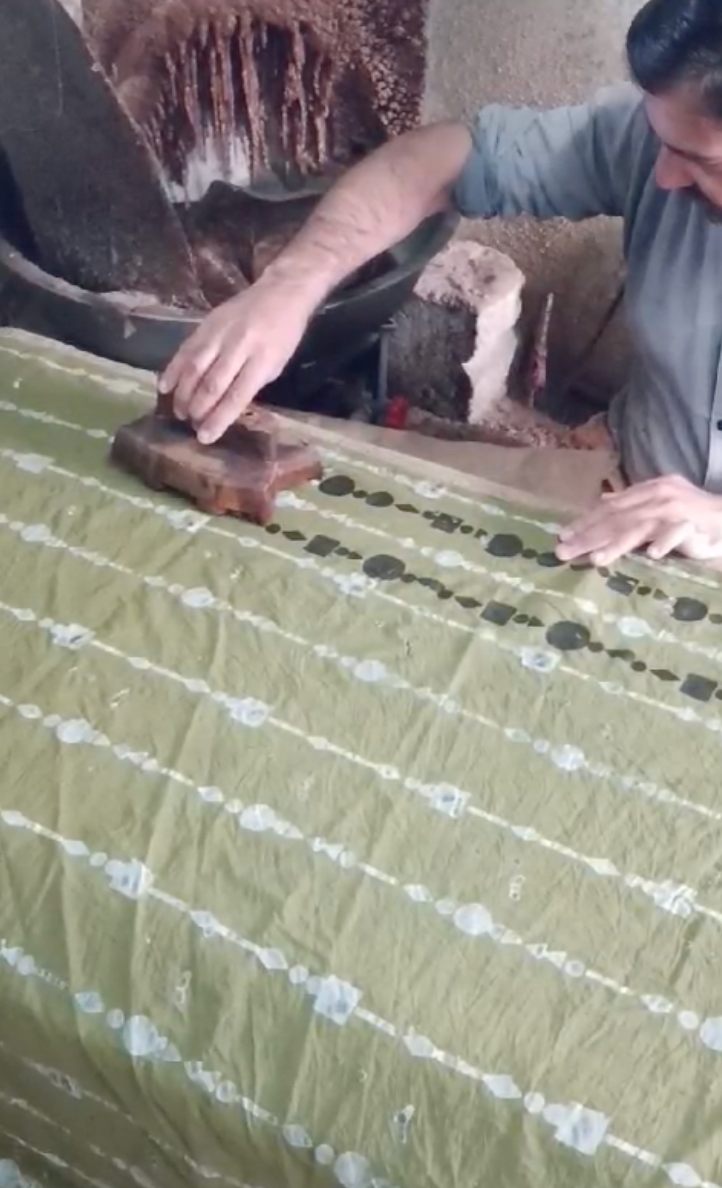
1. Hand Block Printing: A centuries-old technique using wooden blocks and natural dyes, hand block printing not only reduces chemical use but also supports artisan communities. Each print is unique, adding an element of craftsmanship to sustainable fashion.
2. Screen Printing with Water-Based Inks: Traditional plastisol inks contain PVC and phthalates, which are harmful to the environment. Water-based inks provide the same vibrancy without the environmental burden, making them an ideal choice for ethical fashion brands.
3. Digital Printing: Unlike conventional screen printing, digital printing requires significantly less water and eliminates the need for excess dye baths. It also enables precise, on-demand production, reducing textile waste and overproduction.
Why It Matters
Switching to sustainable dyeing and printing methods is not just a trend—it’s a necessity. By choosing eco-friendly processes, we reduce the fashion industry’s footprint while preserving the artistry and heritage of textile production. At Source Creative, we are dedicated to helping brands source fabrics that align with their sustainability goals, ensuring that every shade and pattern tells a story of responsibility and care.
Partner with Us for a Greener Future
If you're a sustainable clothing brand looking for ethical fabric solutions, we invite you to explore our range of naturally dyed and eco-printed textiles. Together, we can redefine fashion with colors that don’t cost the earth.
Let’s create responsibly. Let’s craft with consciousness.
FAQs
What is sustainable dyeing and printing in textiles?
Sustainable dyeing and printing refers to coloring and patterning processes that minimize environmental impact. These methods use natural dyes, low-impact reactive dyes, water-based inks, and digital technologies that significantly reduce water use, chemical discharge, and energy consumption. They ensure safer working conditions and lower pollution levels.
Why are traditional dyeing and printing methods harmful?
Conventional methods rely heavily on synthetic chemicals, heavy metals, and petroleum-based inks. These substances contaminate water bodies, generate toxic effluents, and release microplastics into ecosystems. They also pose health risks to workers and often require excessive water and energy at every stage of production.
What are natural dyes, and are they durable?
Natural dyes are pigments derived from plants, minerals, and organic materials such as indigo, madder, turmeric, and pomegranate peels. When applied using proper mordants and techniques, natural dyes offer excellent durability, colorfastness, and unique artisanal variations that synthetic dyes cannot replicate.
What does it mean when dyes are GOTS-certified or azo-free?
GOTS-certified dyes comply with strict environmental and toxicity standards set by the Global Organic Textile Standard. Azo-free dyes do not contain azo compounds that can break down into carcinogenic amines. Using these dyes ensures safer textiles for both consumers and the planet.
Are sustainable dyeing methods suitable for all types of fabrics?
Many natural and low-impact dyeing techniques work well on natural fibers such as cotton, linen, hemp, bamboo, silk, and wool. Some technologies, like innovative digital reactive printing, can also be applied to blended fabrics. The right method depends on fiber type, desired color depth, and production scale.
Does sustainable dyeing increase production cost?
While some artisanal or natural dyeing processes may have higher labor costs, many sustainable methods, such as low-impact reactive dyeing and digital printing can reduce water, energy, and chemical expenses. Over time, brands often see long-term cost efficiencies and stronger consumer trust.
How does Source Creative support sustainable dyeing and printing?
Source Creative collaborates with skilled artisans, ethical manufacturers, and eco-certified dye houses. We provide fabrics dyed with natural pigments, low-impact chemicals, and water-efficient printing technologies. Our goal is to help fashion brands meet sustainability goals without compromising aesthetics or performance.



Comments